


-

Add: HeBei ShengShi HongBang Cellulose Technology CO.,LTD.
-

Email
13180486930@163.com -

CONTACT US
+86 13180486930

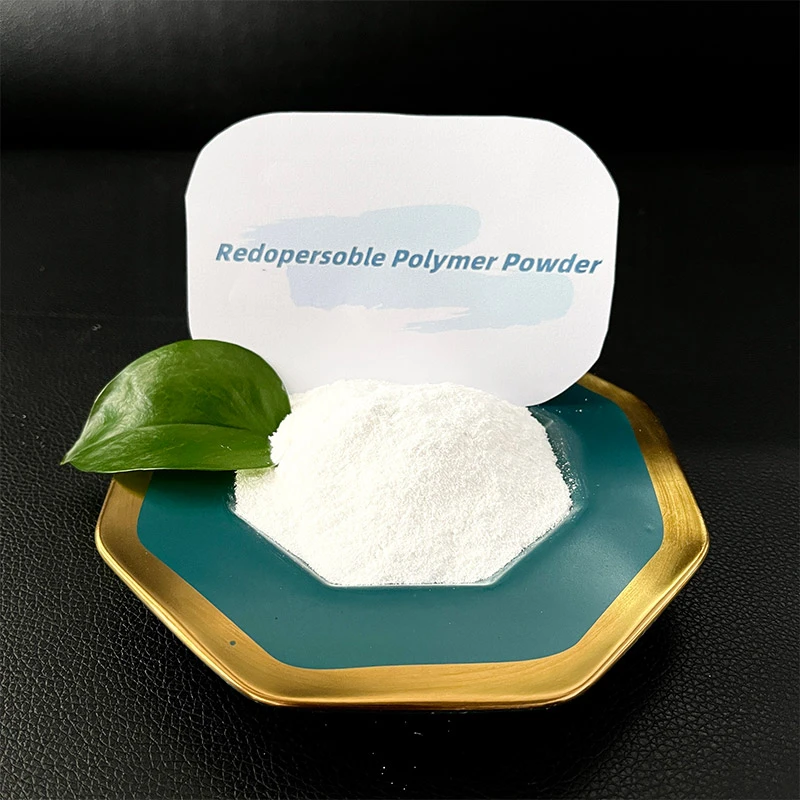
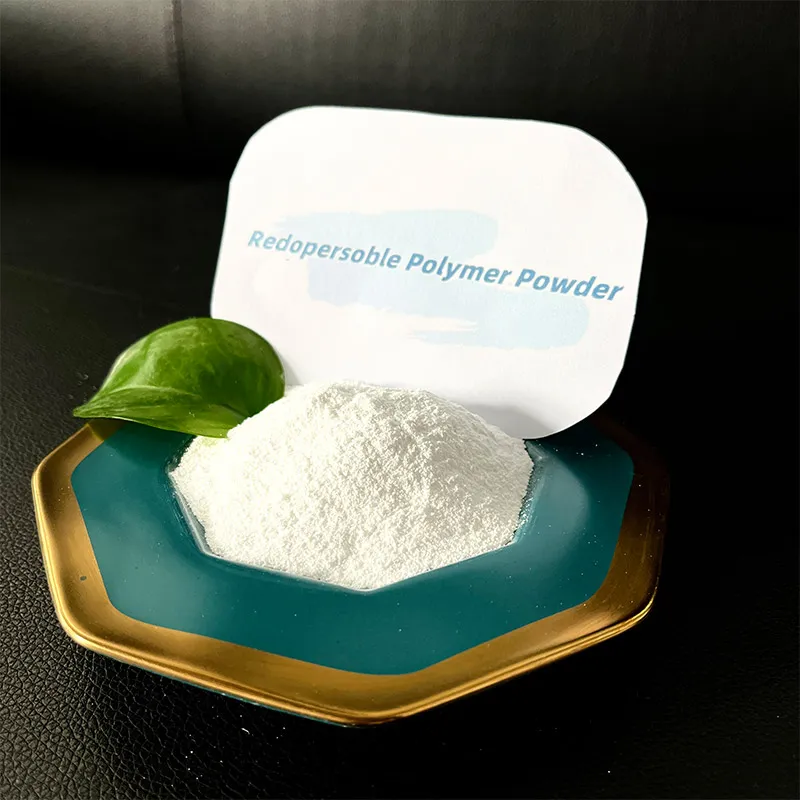

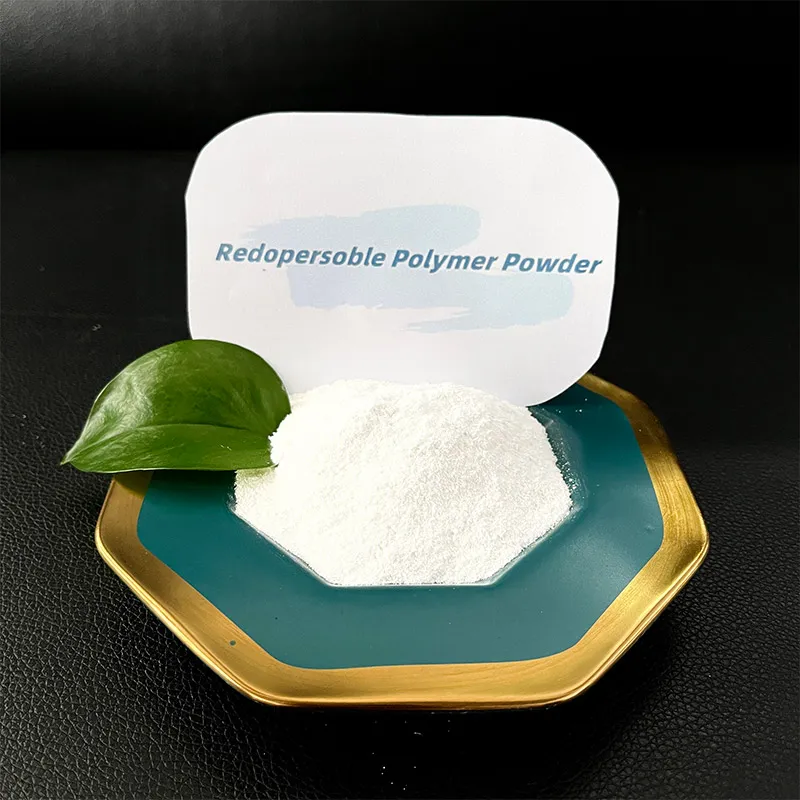


The Versatility and Applications of Polyvinyl Chloride Powder Polyvinyl chloride (PVC) is one of the most widely used synthetic plastics globally, with its powder form offering remarkable versatility and utility across various industries. PVC is produced through the polymerization of vinyl chloride monomer (VCM), leading to products that can be either rigid or flexible depending on the additives used during processing. This article explores the properties of PVC powder, its manufacturing process, and its diverse applications in numerous sectors. Properties of PVC Powder PVC powder is characterized by its excellent chemical resistance, durability, and fire-retardant properties. These characteristics make it a preferred material for many applications. The powder form allows for various processing techniques, including extrusion, injection molding, and calendaring. It can be compounded with other materials to enhance its properties, such as flexibility, weatherability, and color stability. By adding plasticizers, stabilizers, and other additives, manufacturers can tailor PVC powder to meet specific performance requirements for different applications. Manufacturing Process The production of PVC powder typically involves the polymerization of vinyl chloride gas, which is accomplished through suspension, emulsion, or bulk polymerization processes. The resulting polymer can be ground into a fine powder suitable for various processing techniques. During the manufacturing process, additives are incorporated to improve the powder's characteristics. For instance, lubricants may be added to enhance flow properties, while thermal stabilizers protect against degradation during processing. Applications of PVC Powder The applications of PVC powder are vast and span multiple industries, including construction, healthcare, automotive, and consumer goods. polyvinyl chloride powder 1. Construction In the construction sector, PVC powder is widely used to manufacture pipes, fittings, and profiles. Rigid PVC pipes are favored for their strength, lightweight, and resistance to corrosion, making them ideal for plumbing, drainage, and electrical applications. Additionally, PVC profiles for windows and doors provide energy efficiency, durability, and low maintenance. 2. Healthcare PVC powder plays a crucial role in the healthcare industry. It is utilized in medical devices, such as IV bags, tubing, and blood bags. The material's ability to be sterilized and its biocompatibility make it suitable for various medical applications. Furthermore, the flexibility of PVC can be modified with additives to ensure comfortable and safe medical products. 3. Automotive In the automotive industry, PVC powder is utilized to create interior parts, such as door panels, instrument panels, and seat covers. Its lightweight nature helps improve fuel efficiency, while its durability contributes to the longevity of automotive components. Additionally, PVC is often used in insulation for electrical wiring in vehicles. 4. Consumer Goods PVC powder is commonly found in a wide range of consumer products, from toys to footwear and household items. For example, inflatable products, such as pool floats and toys, benefit from PVC's waterproof properties. Its adaptability allows manufacturers to create products in various colors and textures. 5. Packaging The packaging industry also leverages PVC powder for producing cling films and other flexible packaging materials. PVC's excellent barrier properties help preserve the freshness of food products while providing visibility and durability. Conclusion In summary, polyvinyl chloride powder exhibits remarkable versatility, making it a crucial material in various sectors. Its unique properties and adaptability allow for tailored solutions to meet specific requirements in construction, healthcare, automotive, consumer goods, and packaging markets. As sustainability becomes increasingly important, the industry is also exploring recycling and eco-friendly alternatives to ensure that PVC remains a viable and responsible choice. With ongoing innovations and developments in processing techniques, the future of PVC powder is poised to remain bright, continuing to provide essential contributions across multiple industries.
- 40000tons

Production
- 20+years

Experience
- 5000+㎡

Acreage

-
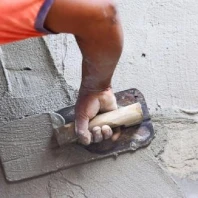
Polypropylene fiber is a versatile, high-performance material that offers a wide range of benefits for various applications. Whether you’re working in construction, textiles, or even automotive industries, polypropylene fiber provides exceptional strength, durability, and resistance to moisture and chemicals. As a lightweight and cost-effective solution, polypropylene fiber is a valuable addition to your product lineup. By incorporating polypropylene fiber into your materials, you can enhance performance while ensuring long-lasting results. Discover why polypropylene fiber is the ideal choice for your next project. Explore Polypropylene Fiber for Sale at Competitive Prices Looking for high-quality polypropylene fiber for sale ? Our premium polypropylene fiber for sale offers a range of grades and specifications to suit your needs. Whether you’re purchasing in bulk for large-scale projects or in smaller quantities for specialized applications, we provide flexible options to meet your budget. Our polypropylene fiber for sale is made with top-quality materials, ensuring consistent performance and durability. With fast shipping and excellent customer service, purchasing polypropylene fiber for sale has never been easier. Get in touch with us today to learn more about our products and competitive pricing. The Benefits of Using Polypropylene Fiber in Concrete Polypropylene fiber used in concrete offers unmatched advantages, particularly in enhancing the strength and durability of your construction projects. When added to concrete, polypropylene fiber helps improve the material’s resistance to cracking, shrinkage, and surface wear. It also enhances the flexibility and workability of the concrete, making it easier to apply in various conditions. Polypropylene fiber used in concrete is especially effective in applications like flooring, pavements, and precast concrete products. By incorporating polypropylene fiber into your concrete mix, you can achieve stronger, more durable structures that stand the test of time. Discover the Versatility of Synthetic Polypropylene Fiber Synthetic polypropylene fiber is a high-performance material designed for a wide array of applications. Known for its superior strength and lightweight properties, synthetic polypropylene fiber is commonly used in concrete reinforcement, textiles, automotive components, and much more. Unlike natural fibers, synthetic polypropylene fiber is resistant to rot, mildew, and UV degradation, making it an ideal choice for both indoor and outdoor applications. Whether you’re enhancing the durability of construction materials or improving the quality of fabrics, synthetic polypropylene fiber offers unparalleled performance and versatility. Experience the difference that synthetic polypropylene fiber can make in your products. Why Choose Us for Your Polypropylene Fiber Needs? When it comes to sourcing polypropylene fiber , you need a reliable supplier that provides top-quality materials at competitive prices. As a trusted provider of polypropylene fiber for sale , we offer a range of products that are perfect for various industries, from construction to textiles. Our polypropylene fiber used in concrete is designed to enhance the durability and performance of your projects, while our synthetic polypropylene fiber is ideal for diverse applications requiring strength and resilience. With excellent customer service, flexible ordering options, and fast delivery, we are your one-stop-shop for all your polypropylene fiber needs.
-
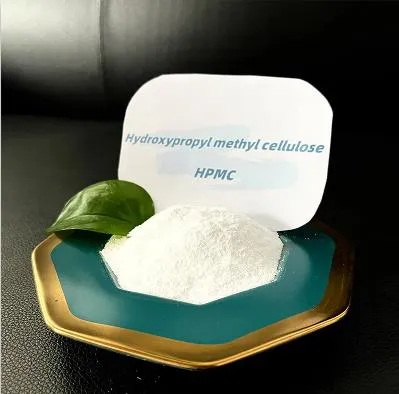
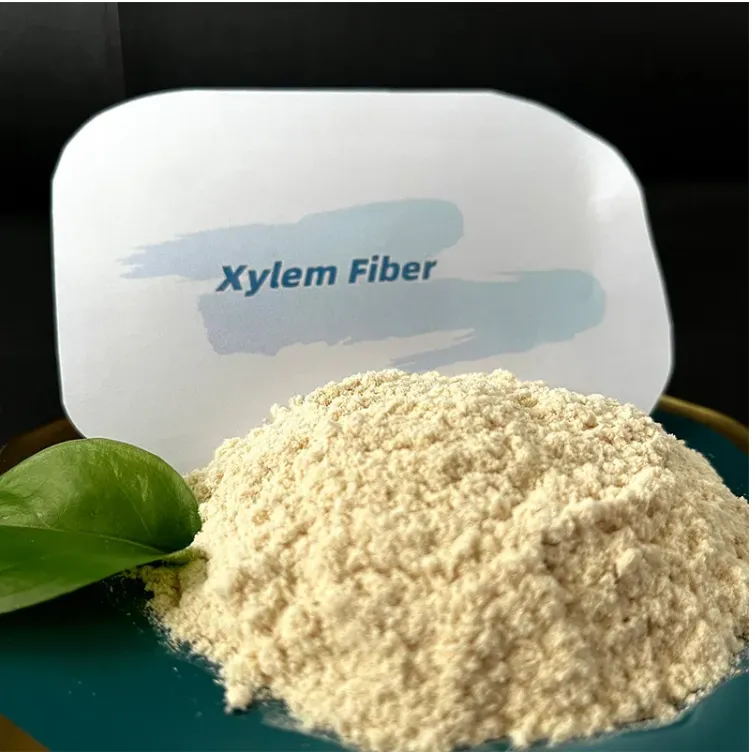
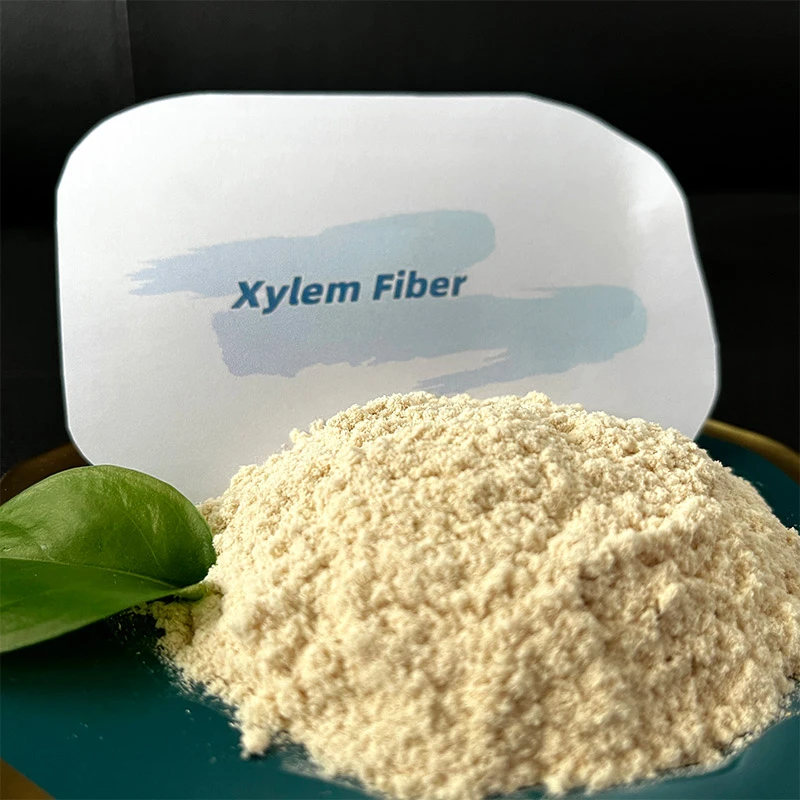
Materials derived from natural sources, like wood cellulose , are redefining industries with their versatility and sustainability. Products such as xylem fiber , fibre made from wood pulp , and bleached wood pulp offer an eco-friendly alternative to synthetic materials while maintaining exceptional functionality. Their adaptability makes them ideal for use in construction, textiles, packaging, and beyond. Wood Cellulose: Nature’s Engineering Marvel Wood cellulose is a fundamental component of plant cell walls, known for its strength, flexibility, and lightweight properties. Derived from sustainably harvested timber, it is processed into versatile forms that cater to various industrial needs. Whether used as a construction additive, a textile fiber, or a packaging material, wood cellulose offers unmatched durability and eco-friendliness. This material is integral to modern manufacturing, especially as industries shift toward renewable resources. With its availability in forms like fibre made from wood pulp , wood cellulose is at the forefront of sustainable innovation, providing both functionality and environmental benefits. Xylem Fiber: Strength and Adaptability A specialized form of wood cellulose , xylem fiber is celebrated for its structural strength and water transport capabilities. This fiber, which mimics the natural function of xylem in trees, is ideal for applications requiring moisture resistance and durability. Industries such as paper manufacturing, filtration, and packaging rely heavily on xylem fiber for its reliability and adaptability. The increasing demand for eco-conscious materials has made xylem fiber a popular choice in product innovation. Its natural composition ensures it is biodegradable and renewable, making it a superior alternative to non-biodegradable synthetic fibers. By incorporating xylem fiber into production processes, companies can reduce their environmental impact without compromising on quality. Fibre Made from Wood Pulp: Sustainability Meets Functionality Fibre made from wood pulp is revolutionizing industries like fashion, hygiene, and construction. This material offers the strength of synthetic fibers while being more sustainable and environmentally friendly. Its softness, durability, and breathability make it a preferred choice for textiles, such as clothing and home furnishings. Beyond textiles, fibre made from wood pulp is widely used in absorbent products, including diapers and medical pads, due to its excellent moisture retention properties. Additionally, it plays a vital role in creating lightweight composites and durable building materials. The versatility of this wood cellulose derivative continues to drive innovation across sectors. Bleached Wood Pulp: A Staple in Quality Manufacturing Bleached wood pulp is a refined version of wood cellulose , processed to achieve a bright, pure-white appearance. This material is crucial in producing high-quality paper, hygiene products, and specialty applications like medical-grade textiles. Its smooth texture, uniformity, and strength make it an essential component in industries that demand precision and reliability. The bleaching process enhances the purity of bleached wood pulp , ensuring it meets strict industry standards. Moreover, modern advancements have made bleaching more sustainable, minimizing environmental impact. Whether used in premium packaging, tissue paper, or industrial filters, bleached wood pulp exemplifies how wood cellulose can deliver excellence and sustainability. Why Choose Wood Cellulose for Your Needs? Materials like wood cellulose , xylem fiber , fibre made from wood pulp , and bleached wood pulp offer a harmonious blend of sustainability, performance, and versatility. As industries pivot toward greener solutions, these natural fibers provide a reliable and eco-conscious alternative to synthetic materials. By integrating wood cellulose into products and processes, businesses can achieve superior quality while reducing their environmental footprint. From construction to textiles and packaging, the applications of these fibers are vast and impactful. Harness the power of wood cellulose and its derivatives to create innovative, sustainable, and high-performance solutions for today’s world.
advantages
-

200000 Viscosities
Excellent product
We can produce pure products up to 200,000 viscosities
-

40000 tons
High yield
We don’t stop production all year round, and the annual output can reach 40,000 tons
-

24 hours
Quality service
We provide 24-hours online reception service, welcome to consult at any time
———— Inquiry Form
Schedule A services

-
 kuni_na_kemia_ya_selulosi
Oct . 25, 2025
How to Make HPMC Gel A Step-by-Step Guide Hydroxypropyl methylcellulose (HPMC) is a versatile polyme -
 tapioca_starch_emulsifier
Oct . 25, 2025
Hydroxypropyl Methylcellulose (HPMC) E5 is a versatile and essential ingredient in various industrie - hydroxyethyl_starch_130_0_point_4
Oct . 25, 2025
Hydroxypropyl Methylcellulose (HPMC), widely recognized in industrial and pharmaceutical sectors, ha


